Categories
Dental

Crafting Personalised Oral Wellness Journeys Through Advanced Techniques

4 min read

The Evolution of Modern Dental Care

The landscape of dental care has undergone a remarkable transformation in recent years, shifting from a one-size-fits-all approach to sophisticated, individualised treatment pathways. Modern dental practices, like a private dentist Manchester, are embracing cutting-edge technologies and methodologies that recognise each patient’s unique oral health requirements, lifestyle factors, and personal preferences. This personalised approach represents a significant departure from traditional dental care models, offering patients tailored solutions that address their specific needs with unprecedented precision.

Contemporary dental professionals are increasingly recognising that effective oral wellness extends far beyond routine check-ups and standard treatments. The integration of advanced diagnostic tools, digital imaging systems, and comprehensive health assessments enables practitioners to develop a nuanced understanding of each patient’s oral ecosystem. This holistic perspective considers factors such as genetic predispositions, dietary habits, stress levels, and existing medical conditions that may influence oral health outcomes.

Advanced Diagnostic Technologies

Shaping Treatment Plans

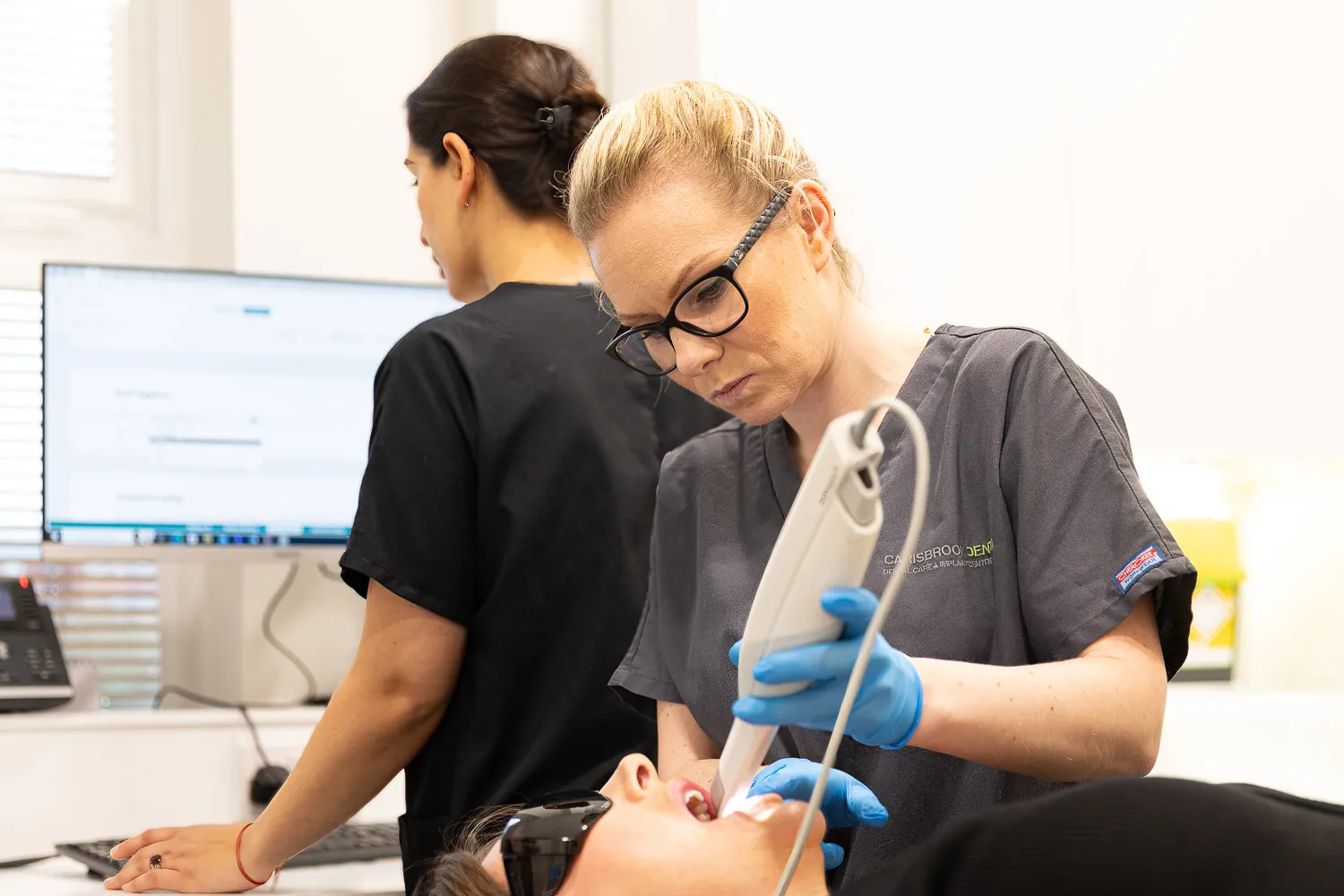
The foundation of personalised oral wellness lies in sophisticated diagnostic capabilities that provide detailed insights into individual patient needs. Digital radiography, intraoral cameras, and 3D imaging systems allow dental professionals to capture comprehensive views of oral structures with remarkable clarity. These technologies enable practitioners to identify potential issues in their earliest stages, facilitating proactive interventions that prevent more serious complications from developing.

Saliva testing has emerged as a particularly valuable diagnostic tool, offering insights into bacterial levels, pH balance, and enzymatic activity within the oral environment. This information enables dental teams to customise preventive strategies and recommend specific products or treatments that address individual risk factors. The data gathered through these advanced diagnostic methods forms the cornerstone of truly personalised treatment planning.

Digital Treatment Planning and Predictive Modelling

Sophisticated software platforms now enable dental professionals to create detailed digital models of patients’ oral structures, facilitating precise treatment planning and outcome prediction. These systems allow practitioners to simulate various treatment options, helping patients visualise potential results and make informed decisions about their care. A dentist might utilise such technologies to demonstrate how different treatment approaches could address specific concerns while aligning with patient preferences and lifestyle requirements.

Customised Prevention Strategies

The shift towards personalised oral wellness has revolutionised preventive care approaches, moving beyond generic advice to targeted interventions based on individual risk assessments. Dental professionals now develop bespoke prevention protocols that consider factors such as genetic markers, lifestyle habits, and environmental influences. These tailored strategies may include specific oral hygiene techniques, customised nutritional guidance, and personalised product recommendations that address unique vulnerabilities within each patient’s oral health profile.

Risk stratification models enable practitioners to identify patients who may benefit from more frequent monitoring or specialised interventions. For instance, individuals with heightened susceptibility to periodontal disease might receive enhanced cleaning protocols and targeted antimicrobial treatments, whilst those prone to dental caries could benefit from customised fluoride applications and dietary modifications. This precision approach maximises the effectiveness of preventive measures whilst optimising resource allocation.

Behavioural Integration and Patient Education

Effective personalised oral wellness programmes recognise the crucial role of patient behaviour in achieving optimal outcomes. Modern practices employ sophisticated patient education tools, including interactive digital platforms and personalised communication strategies that resonate with individual learning preferences. These approaches help patients understand their specific risk factors and empower them to make informed decisions about their oral health management.

The integration of personalised dental care methodologies extends beyond clinical interventions to encompass comprehensive lifestyle counselling. Practitioners may collaborate with nutritionists, sleep specialists, and other healthcare professionals to address systemic factors that influence oral health outcomes.

Technology-Driven Treatment Delivery

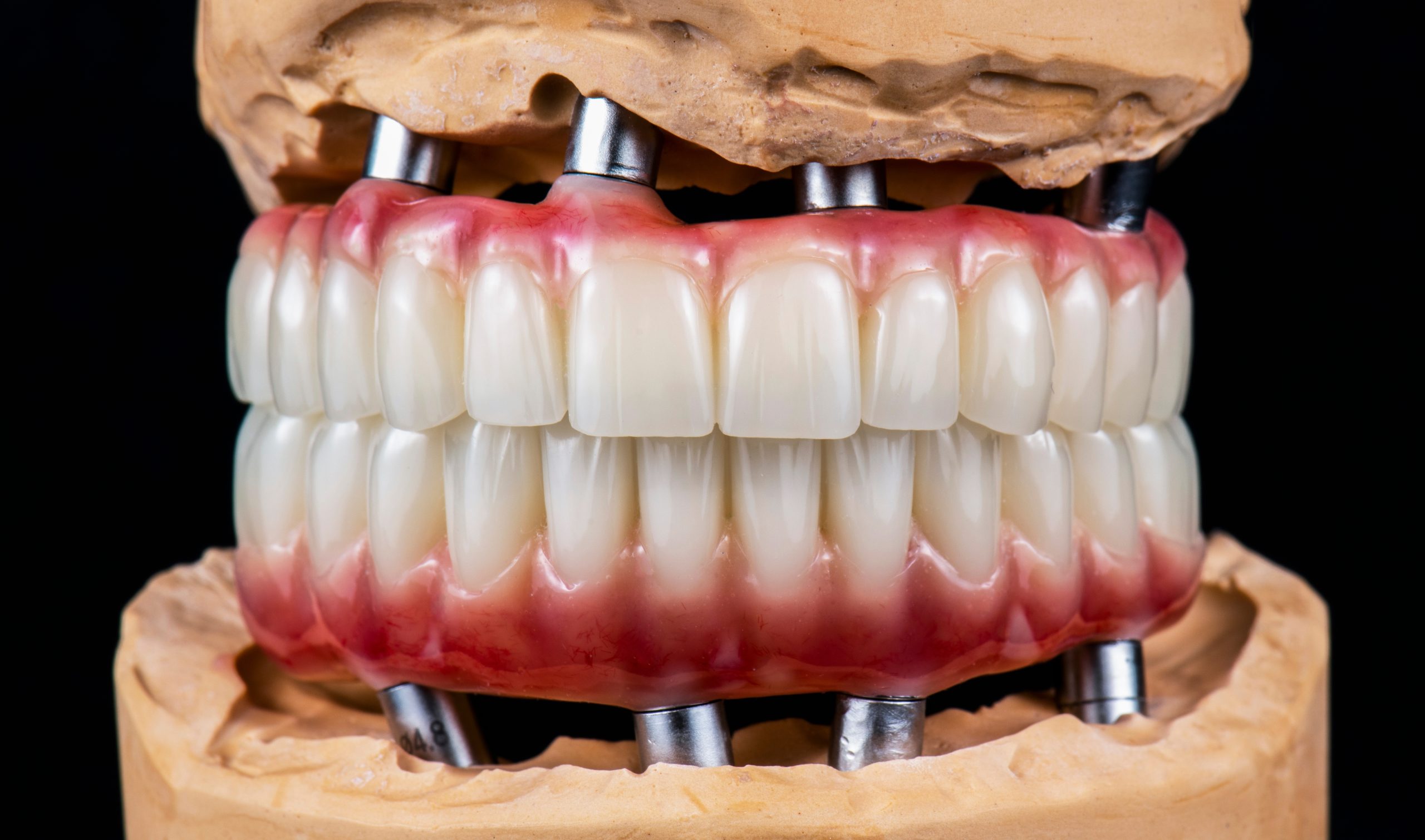
Advanced manufacturing technologies, including 3D printing and computer-aided design systems, enable the creation of precisely fitted dental appliances and restorations. These technologies facilitate same-day treatments and eliminate the need for multiple appointments, significantly improving patient experience whilst maintaining exceptional quality standards. The ability to create customised oral solutions has transformed treatment delivery across all dental specialities.

Telemedicine platforms and remote monitoring systems are increasingly integrated into personalised care pathways, enabling continuous patient support between appointments. These digital tools facilitate ongoing communication and allow practitioners to adjust treatment plans based on real-time feedback and progress monitoring.

The Future of Personalised Oral Health

The evolution of personalised oral wellness continues to accelerate, driven by advances in artificial intelligence, genetic testing, and predictive analytics. These developments promise even more precise treatment approaches that anticipate patient needs and deliver optimal outcomes. The commitment to innovative approaches to enhancing oral health ensures that patients receive the most effective, individualised care possible, establishing new standards for dental excellence in the modern era.

Categories
Dental

Why do experienced dental teams make a difference in patient outcomes?

3 min read

Strong oral care depends on skilled hands, clear planning, and steady support from trained staff. The dental anchorage plays a key role in guiding safe care decisions, helping maintain structure during procedures, ensuring better healing paths, reducing risks, and improving long-term oral stability through careful teamwork. Skilled groups bring better judgment, reduce errors, improve patient trust, support clear communication, help manage complex situations, maintain hygiene standards, and guide each step with attention.

Skilled Team Improves Care Quality

A trained group ensures accurate steps during procedures. They follow proper methods, reduce risks, maintain hygiene, support safe practices, guide clear communication, improve trust, handle tools carefully, monitor progress, and help each person feel secure during every stage of care.

Clear Communication Builds Patient Trust

Good communication helps reduce fear during visits. Teams explain steps clearly, answer questions, support calm thinking, guide expectations, improve understanding, reduce confusion, build confidence, maintain smooth interaction, and ensure each person feels informed before every procedure begins safely.

Experience Reduces Procedure Errors

Practice improves accuracy in every step. Skilled members detect small issues early, correct them quickly, reduce mistakes, improve precision, maintain safe actions, support steady results, guide careful handling, ensure proper methods, and protect individuals from avoidable complications during care.

Hygiene Practices Maintain Safe Environment

first-dentist-visit-guide

Clean surroundings reduce risks during care. Teams follow strict hygiene steps, maintain sterile tools, support safe handling, prevent infections, ensure clean surfaces, guide proper practices, protect individuals, and create a secure space for every procedure performed carefully.

Team Coordination Enhances Procedure Flow

Good coordination keeps every step smooth. Members support each other, share roles, maintain timing, guide actions, reduce delays, improve efficiency, support quick responses, ensure proper sequence, and create a steady workflow that improves overall care delivery.

Continuous Learning Keeps Skills Updated

Learning improves skills over time. Teams update knowledge, follow new practices, improve techniques, adapt to changes, support better methods, maintain awareness, improve accuracy, and ensure every action follows safe and effective care standards consistently.

Guidance Builds Long-Term Stability

Careful guidance supports lasting oral structure.

        Strong planning improves stability, supports proper alignment, reduces risk, maintains balance, and helps long-term oral strength effectively.

        Skilled handling improves structure, supports healing, reduces complications, maintains safe progress, and protects long-term outcomes.

        Continuous support improves recovery, maintains balance, supports alignment, protects oral health, and ensures steady improvement.

Trusted professionals bring better results through skill, planning, clear guidance, and steady actions. They reduce risks, improve recovery, support safe practices, ensure stability, maintain structure, and guide each step with attention. The dental anchorage supports strong alignment, helping long-term oral strength stay protected with consistent care.

Categories
Dental

Optimising Dental Websites with AI-Enhanced User Insights

4 min read

The Digital Revolution in Dental Practice

The landscape of dental practice marketing has undergone a remarkable transformation in recent years, with artificial intelligence emerging as a game-changing force in website optimisation. Modern dental websites are no longer merely digital brochures displaying practice information and contact details. They have evolved into sophisticated platforms that harness the power of AI to deliver personalised user experiences and drive meaningful patient engagement.

Dental practitioners across the United Kingdom are discovering that AI-enhanced user insights provide unprecedented opportunities to understand patient behaviour, preferences, and needs. These intelligent systems analyse vast amounts of data in real-time, offering valuable information about how visitors interact with practice websites, which services generate the most interest, and what factors influence appointment bookings.

Understanding User Behaviour Through AI Analytics

The implementation of AI-powered analytics tools has revolutionised how dental practices interpret user behaviour on their websites. These sophisticated systems track and analyse numerous data points, including page navigation patterns, time spent on specific content, and conversion rates across different service pages. By processing this information, AI algorithms can identify trends and patterns that would be impossible to detect through traditional analytics methods.

Heat mapping technology, enhanced by machine learning capabilities, reveals precisely where visitors focus their attention on dental practice websites. This insight proves invaluable for optimising page layouts, positioning call-to-action buttons more effectively, and ensuring that crucial information about dental services receives maximum visibility. The data collected helps practices understand whether potential patients are more interested in cosmetic procedures, general dentistry, or emergency services.

Personalisation Through Intelligent Content Delivery

AI-driven personalisation represents one of the most exciting developments in dental website optimisation. These systems can dynamically adjust content presentation based on user behaviour, demographics, and previous interactions with the practice website. For instance, returning visitors who previously viewed information about teeth whitening might be presented with related cosmetic dentistry options or special offers upon their next visit.

The technology extends beyond simple content recommendations to include personalised appointment scheduling systems that suggest optimal times based on user preferences and practice availability. Generative engine optimisation techniques are helping dental practices appear more prominently in AI-powered search results, ensuring their services reach the right patients at the right time.

Predictive Analytics for Enhanced Patient Journey Mapping

The integration of predictive analytics into dental website optimisation has opened new avenues for understanding and anticipating patient needs. These AI systems analyse historical data to forecast future user behaviour, enabling practices to proactively adjust their digital strategies. By examining patterns in appointment bookings, service inquiries, and seasonal fluctuations in demand, dental practices can optimise their websites to meet anticipated patient requirements.

Machine learning algorithms excel at identifying subtle correlations between user demographics, browsing behaviour, and treatment preferences. This intelligence allows practices to segment their audience more effectively and tailor their messaging accordingly. For example, the system might identify that users from specific geographic areas show greater interest in orthodontic services, prompting the website to highlight these treatments for visitors from those locations.

Voice Search Optimisation and Conversational AI

The growing prevalence of voice search has prompted dental practices to reconsider their website optimisation strategies. AI-powered natural language processing helps dental websites better understand and respond to conversational queries such as ‘dentist near me open on weekends’ or ‘teeth whitening cost in Manchester’. This technology ensures that dental websites remain discoverable through various search methods.

Chatbot integration represents another significant advancement in AI-enhanced user experience. These intelligent virtual assistants can handle initial patient inquiries, provide basic information about dental procedures, and even facilitate appointment scheduling. The conversational AI learns from each interaction, continuously improving its ability to assist potential patients and gather valuable insights about common concerns and questions.

Machine learning applications in dental SEO are helping practices maintain competitive visibility in search results while delivering more relevant content to their target audience. Meanwhile, AI-powered dental marketing strategies are enabling practices to create more effective campaigns based on user behaviour insights.

Future-Proofing Dental Practice Success

The adoption of AI-enhanced user insights represents more than a technological upgrade; it signifies a fundamental shift towards data-driven decision-making in dental practice management. Practices that embrace these innovations position themselves advantageously in an increasingly competitive marketplace. The continuous evolution of AI technology promises even more sophisticated tools for understanding patient needs and delivering exceptional digital experiences that translate into improved patient satisfaction and practice growth.