Understanding the Connection Between Tooth Loss and Facial Structure
The relationship between dental health and facial aesthetics extends far beyond the appearance of one’s smile. When natural teeth are lost, a cascade of physiological changes begins beneath the surface, ultimately affecting the shape and contour of the face itself. This phenomenon, whilst not immediately apparent, progressively alters facial structure in ways that can add years to one’s appearance. Dental implants in Plymouth have been shown to improve facial aesthetics.
The jawbone relies upon the stimulation provided by tooth roots to maintain its density and volume. Without this essential stimulation, the bone begins to resorb, essentially dissolving away in a process that mimics accelerated ageing. This bone loss creates a domino effect, causing the overlying soft tissues to lose support and subsequently sag, leading to a prematurely aged appearance that no amount of skincare can adequately address.
The Science Behind Bone Resorption and Facial Collapse
When teeth are extracted or lost, the alveolar bone—the portion of the jawbone that anchors teeth—no longer receives the mechanical forces generated through chewing and biting. This absence of stimulation signals the body that the bone is no longer necessary, prompting a biological response known as resorption. Studies have shown that patients can lose up to 25% of their jawbone width within the first year following tooth extraction.
The consequences of this bone loss manifest visibly in several ways. The lower third of the face begins to shorten, bringing the chin closer to the nose. Deep wrinkles form around the mouth, commonly referred to as marionette lines. The lips lose their natural fullness and begin to fold inward, whilst the cheeks hollow and take on a sunken appearance. These changes collectively create what dental professionals term “facial collapse,” a condition that can make individuals appear decades older than their actual age.
How Dental Implants Preserve Jawbone Integrity
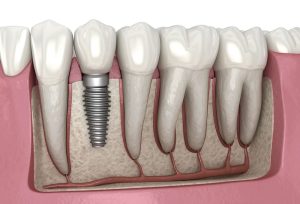
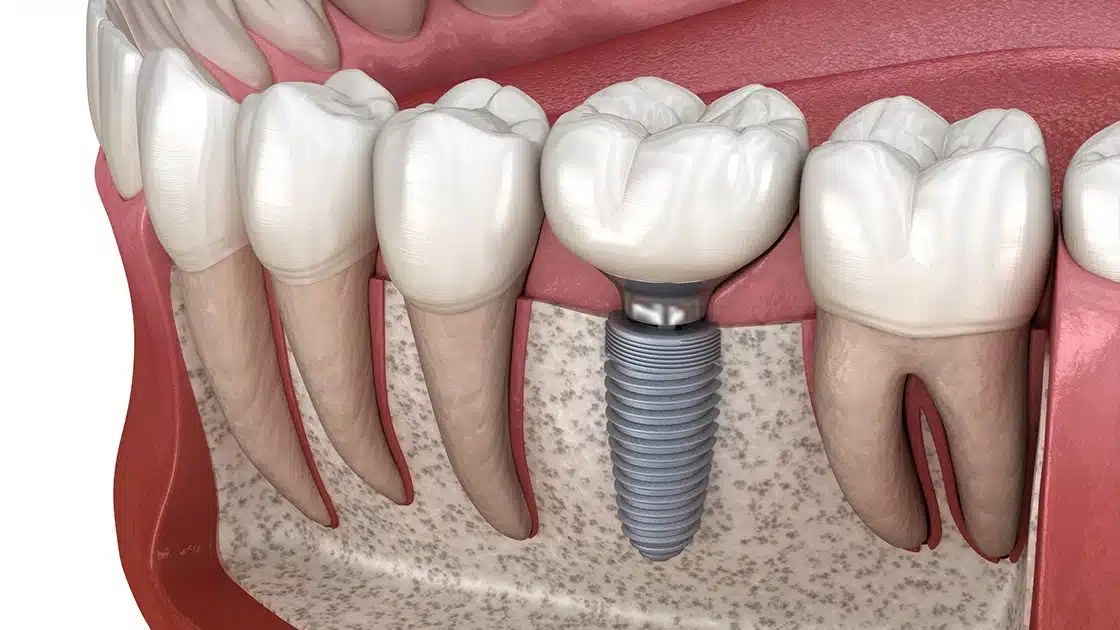
Unlike traditional dentures or bridges, dental implants function as artificial tooth roots, providing the crucial stimulation that jawbone requires to maintain its structure. These titanium posts are surgically placed into the jawbone, where they integrate through a process called osseointegration. This biological fusion allows implants to preserve facial structure by preventing bone deterioration, effectively halting the ageing process associated with tooth loss.
The mechanical loading that occurs during normal functions such as chewing and speaking transmits forces through the implant into the surrounding bone tissue. This stimulation encourages the bone to regenerate and maintain its density, much as natural tooth roots would. The preservation of bone volume subsequently maintains the structural support necessary for facial soft tissues, preventing the sagging and hollowing that characterises premature facial ageing.
The Aesthetic Benefits Beyond Tooth Replacement
Whilst the primary purpose of dental implants centres on restoring dental function, the aesthetic advantages extend well beyond the smile line. Patients who receive implants often discover that their facial proportions improve or are maintained over time, with the lower face retaining its youthful dimensions. The support provided by preserved bone structure keeps the skin taut and properly positioned, reducing the depth of nasolabial folds and maintaining natural lip volume.
Furthermore, proper jaw alignment facilitated by dental implants ensures that facial symmetry remains balanced. This symmetry plays a crucial role in perceived attractiveness and youthfulness. When the jawbone deteriorates unevenly, it can create asymmetrical features that contribute to an aged appearance. Implants prevent this uneven resorption, maintaining the harmonious facial proportions that characterise a youthful countenance.
Long-Term Facial Support and Quality of Life
The long-term implications of choosing implants over alternative tooth replacement options become increasingly apparent as years pass. Traditional dentures, whilst functional, rest atop the gums without providing bone stimulation. Consequently, denture wearers often experience progressive bone loss, requiring frequent adjustments as their jawbone changes shape. This ongoing deterioration accelerates the visible signs of facial ageing that many seek to avoid.
Research demonstrates that dental implants maintain facial contours effectively over extended periods, with patients retaining youthful facial proportions decades after placement. The investment in implant technology therefore serves a dual purpose: restoring dental function whilst simultaneously preserving the structural integrity that keeps facial features youthful and well-defined. Understanding how implants support bone health and facial structure helps patients make informed decisions about their long-term aesthetic and functional outcomes.
Preserving Your Youthful Appearance
The connection between tooth loss and premature facial ageing represents a compelling reason to consider dental implants as a permanent solution. By preventing bone resorption and maintaining facial structure, implants offer benefits that extend far beyond oral health, preserving the natural contours and proportions that define a youthful appearance for years to come.