The Evolution of Modern Dental Care
The landscape of dental care has undergone a remarkable transformation in recent years, shifting from a one-size-fits-all approach to sophisticated, individualised treatment pathways. Modern dental practices, like a private dentist Manchester, are embracing cutting-edge technologies and methodologies that recognise each patient’s unique oral health requirements, lifestyle factors, and personal preferences. This personalised approach represents a significant departure from traditional dental care models, offering patients tailored solutions that address their specific needs with unprecedented precision.
Contemporary dental professionals are increasingly recognising that effective oral wellness extends far beyond routine check-ups and standard treatments. The integration of advanced diagnostic tools, digital imaging systems, and comprehensive health assessments enables practitioners to develop a nuanced understanding of each patient’s oral ecosystem. This holistic perspective considers factors such as genetic predispositions, dietary habits, stress levels, and existing medical conditions that may influence oral health outcomes.
Advanced Diagnostic Technologies
Shaping Treatment Plans
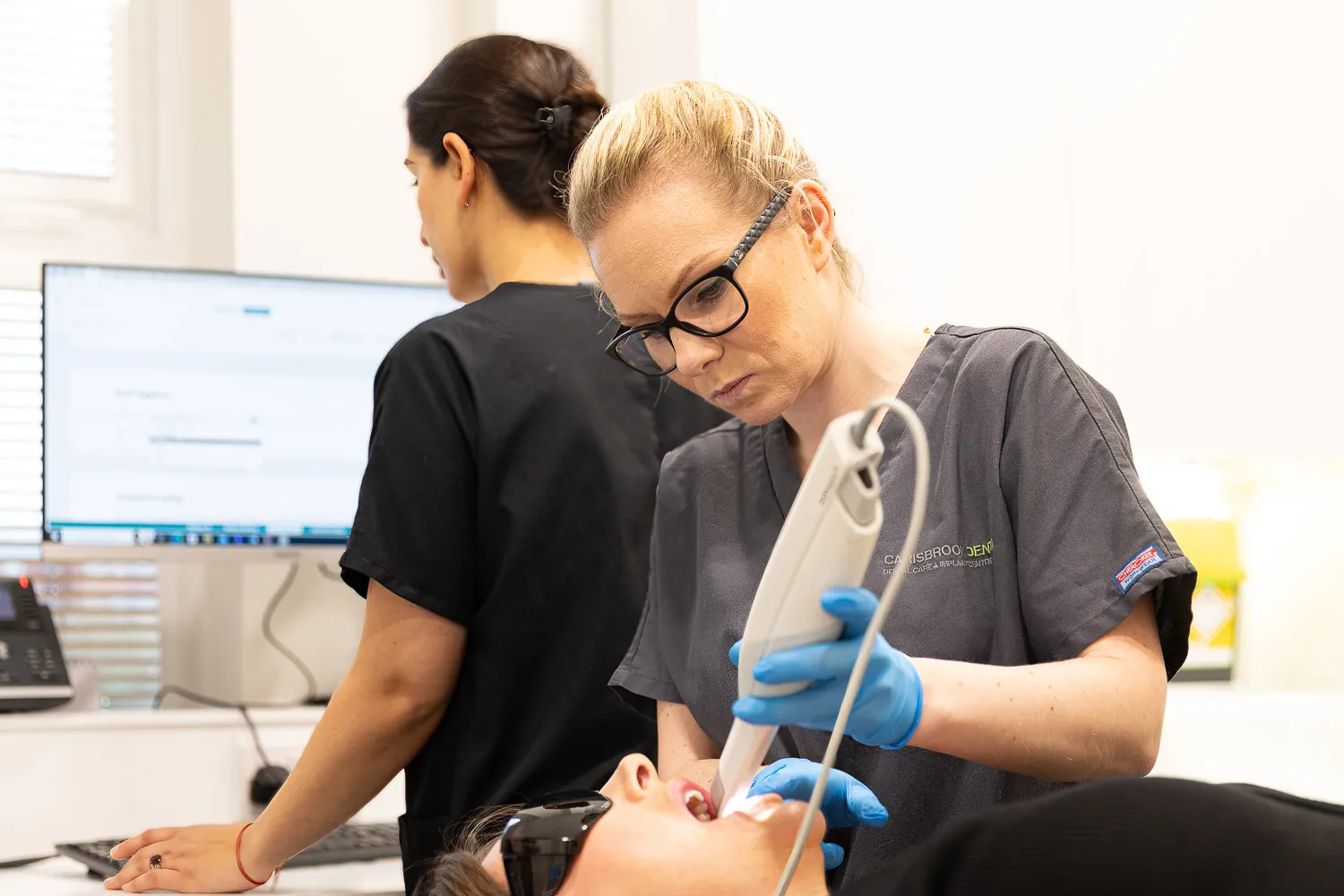
The foundation of personalised oral wellness lies in sophisticated diagnostic capabilities that provide detailed insights into individual patient needs. Digital radiography, intraoral cameras, and 3D imaging systems allow dental professionals to capture comprehensive views of oral structures with remarkable clarity. These technologies enable practitioners to identify potential issues in their earliest stages, facilitating proactive interventions that prevent more serious complications from developing.
Saliva testing has emerged as a particularly valuable diagnostic tool, offering insights into bacterial levels, pH balance, and enzymatic activity within the oral environment. This information enables dental teams to customise preventive strategies and recommend specific products or treatments that address individual risk factors. The data gathered through these advanced diagnostic methods forms the cornerstone of truly personalised treatment planning.
Digital Treatment Planning and Predictive Modelling
Sophisticated software platforms now enable dental professionals to create detailed digital models of patients’ oral structures, facilitating precise treatment planning and outcome prediction. These systems allow practitioners to simulate various treatment options, helping patients visualise potential results and make informed decisions about their care. A dentist might utilise such technologies to demonstrate how different treatment approaches could address specific concerns while aligning with patient preferences and lifestyle requirements.
Customised Prevention Strategies
The shift towards personalised oral wellness has revolutionised preventive care approaches, moving beyond generic advice to targeted interventions based on individual risk assessments. Dental professionals now develop bespoke prevention protocols that consider factors such as genetic markers, lifestyle habits, and environmental influences. These tailored strategies may include specific oral hygiene techniques, customised nutritional guidance, and personalised product recommendations that address unique vulnerabilities within each patient’s oral health profile.
Risk stratification models enable practitioners to identify patients who may benefit from more frequent monitoring or specialised interventions. For instance, individuals with heightened susceptibility to periodontal disease might receive enhanced cleaning protocols and targeted antimicrobial treatments, whilst those prone to dental caries could benefit from customised fluoride applications and dietary modifications. This precision approach maximises the effectiveness of preventive measures whilst optimising resource allocation.
Behavioural Integration and Patient Education
Effective personalised oral wellness programmes recognise the crucial role of patient behaviour in achieving optimal outcomes. Modern practices employ sophisticated patient education tools, including interactive digital platforms and personalised communication strategies that resonate with individual learning preferences. These approaches help patients understand their specific risk factors and empower them to make informed decisions about their oral health management.
The integration of personalised dental care methodologies extends beyond clinical interventions to encompass comprehensive lifestyle counselling. Practitioners may collaborate with nutritionists, sleep specialists, and other healthcare professionals to address systemic factors that influence oral health outcomes.
Technology-Driven Treatment Delivery
Advanced manufacturing technologies, including 3D printing and computer-aided design systems, enable the creation of precisely fitted dental appliances and restorations. These technologies facilitate same-day treatments and eliminate the need for multiple appointments, significantly improving patient experience whilst maintaining exceptional quality standards. The ability to create customised oral solutions has transformed treatment delivery across all dental specialities.
Telemedicine platforms and remote monitoring systems are increasingly integrated into personalised care pathways, enabling continuous patient support between appointments. These digital tools facilitate ongoing communication and allow practitioners to adjust treatment plans based on real-time feedback and progress monitoring.
The Future of Personalised Oral Health
The evolution of personalised oral wellness continues to accelerate, driven by advances in artificial intelligence, genetic testing, and predictive analytics. These developments promise even more precise treatment approaches that anticipate patient needs and deliver optimal outcomes. The commitment to innovative approaches to enhancing oral health ensures that patients receive the most effective, individualised care possible, establishing new standards for dental excellence in the modern era.