Understanding the Relationship Between Tooth Replacement and Temperature Sensitivity
For many individuals who have experienced tooth loss, the simple pleasure of enjoying a steaming cup of tea or a refreshing ice lolly can become a source of anxiety. Natural teeth, when damaged or deteriorating, often develop heightened sensitivity to temperature extremes, making everyday eating and drinking experiences uncomfortable. Fortunately, modern restorative dentistry, such as dental implants Thames Ditton, offers a remarkable solution that addresses both the functional and sensory aspects of tooth replacement.
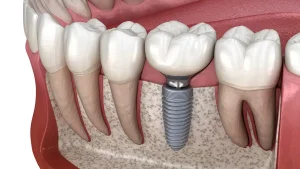
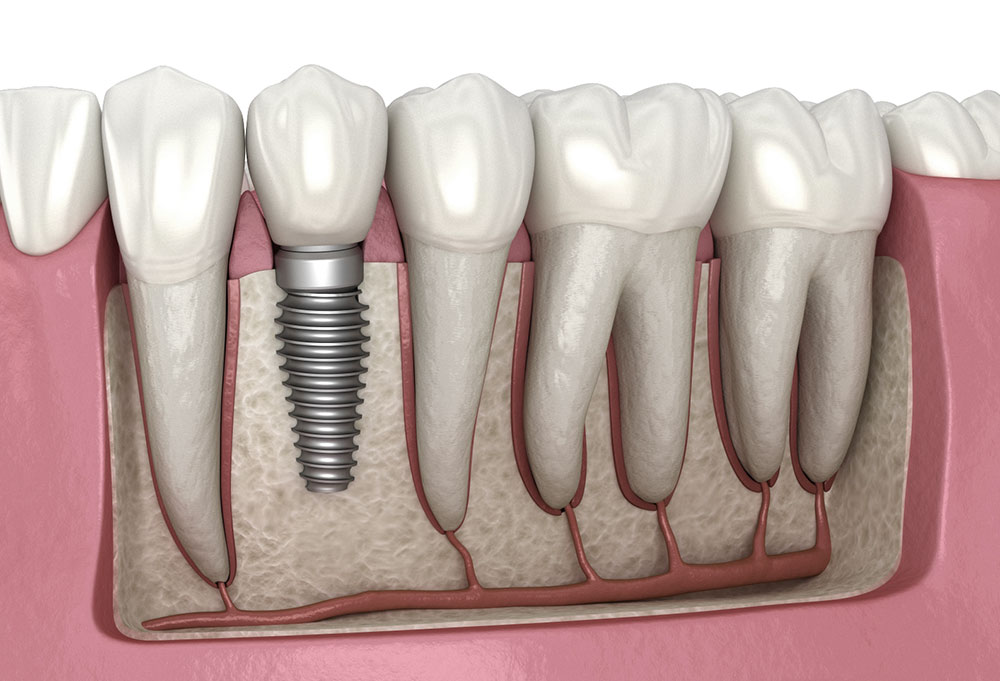
Dental implants represent a sophisticated approach to tooth restoration that goes far beyond merely filling gaps in one’s smile. Unlike traditional dentures or bridges, these titanium posts integrate directly with the jawbone, creating a stable foundation that mimics the natural tooth structure. This integration process, known as osseointegration, provides numerous benefits that extend to how patients experience temperature-sensitive foods and beverages.
Why Natural Teeth Become Sensitive to Temperature
To appreciate how implants eliminate temperature discomfort, one must first understand why natural teeth develop sensitivity in the first place. The outer layer of enamel protects the underlying dentine, which contains microscopic tubules leading to the tooth’s nerve centre. When enamel erodes due to decay, grinding, or gum recession, these tubules become exposed, allowing hot and cold stimuli to reach the nerves directly.
This exposure creates the sharp, shooting sensations that many people associate with eating ice cream or sipping hot soup. Additionally, damaged or infected teeth often exhibit heightened sensitivity as inflammation affects the pulp tissue. Those considering dental implants frequently cite temperature sensitivity as a primary concern that drove them to seek treatment.
The Structural Advantages of Dental Implants
Absence of Nerve Endings
The most significant advantage that implants offer regarding temperature sensitivity lies in their composition. Titanium posts contain no nerve tissue whatsoever, meaning they cannot transmit pain signals regardless of temperature exposure. This fundamental difference allows patients to enjoy both hot and cold foods without the wincing discomfort they may have previously experienced with compromised natural teeth.
Protective Crown Design
The porcelain or ceramic crown attached to the implant post serves as an excellent insulator. These materials possess thermal properties that prevent rapid temperature transfer, creating a barrier between extreme temperatures and the surrounding tissues. Understanding implant sensitivity to temperature changes helps patients recognise that properly placed implants should not cause discomfort under normal circumstances.
The Healing Process and Temperature Tolerance
During the initial healing phase following implant placement, patients may experience temporary sensitivity in the surrounding gum tissue. This sensation differs markedly from the nerve-related discomfort associated with natural tooth sensitivity. The soft tissues require time to adapt to the new restoration, and any temperature-related awareness typically subsides within weeks as healing progresses and the gums settle around the implant crown.
Research has demonstrated that patients who have fully healed from implant surgery report significantly improved quality of life when consuming temperature-sensitive foods. Clinical studies on dental implant outcomes consistently show high satisfaction rates amongst recipients who can once again enjoy their favourite foods without hesitation or pain.
Comparing Implants to Alternative Restorations
Traditional dentures, whilst functional, often fail to provide the same level of comfort with temperature-sensitive items. The acrylic base can conduct temperature changes, and the lack of secure anchoring may create gaps where hot or cold substances can reach sensitive gum tissue. Bridges, meanwhile, rely on neighbouring teeth for support, and if those anchor teeth have any existing sensitivity issues, discomfort persists.
Dental implant practitioners emphasise that standalone implants eliminate these concerns. Each restoration functions independently, without compromising adjacent teeth or creating opportunities for temperature-related discomfort. Seasonal temperature sensitivity with dental implants remains minimal compared to other restoration options, making them particularly suitable for those who previously struggled with hot and cold foods.
Maintaining Long-Term Comfort
Proper maintenance ensures that the dental implants patients receive continue to provide temperature-insensitive performance for decades. Regular professional cleanings, diligent home care, and periodic examinations prevent complications that might otherwise affect comfort levels. When the implant, abutment, and crown remain in optimal condition, patients can confidently enjoy everything from frozen desserts to piping hot beverages without a second thought.
Rediscovering Culinary Freedom
The ability to enjoy temperature-sensitive foods without discomfort represents more than mere physical comfort—it restores a sense of normalcy and pleasure to dining experiences. Patients who once avoided certain foods due to sensitivity find themselves rediscovering forgotten favourites and participating more fully in social occasions. This renewed culinary freedom contributes significantly to overall wellbeing and satisfaction with the implant investment.